


Sustainability at TheoryMesh
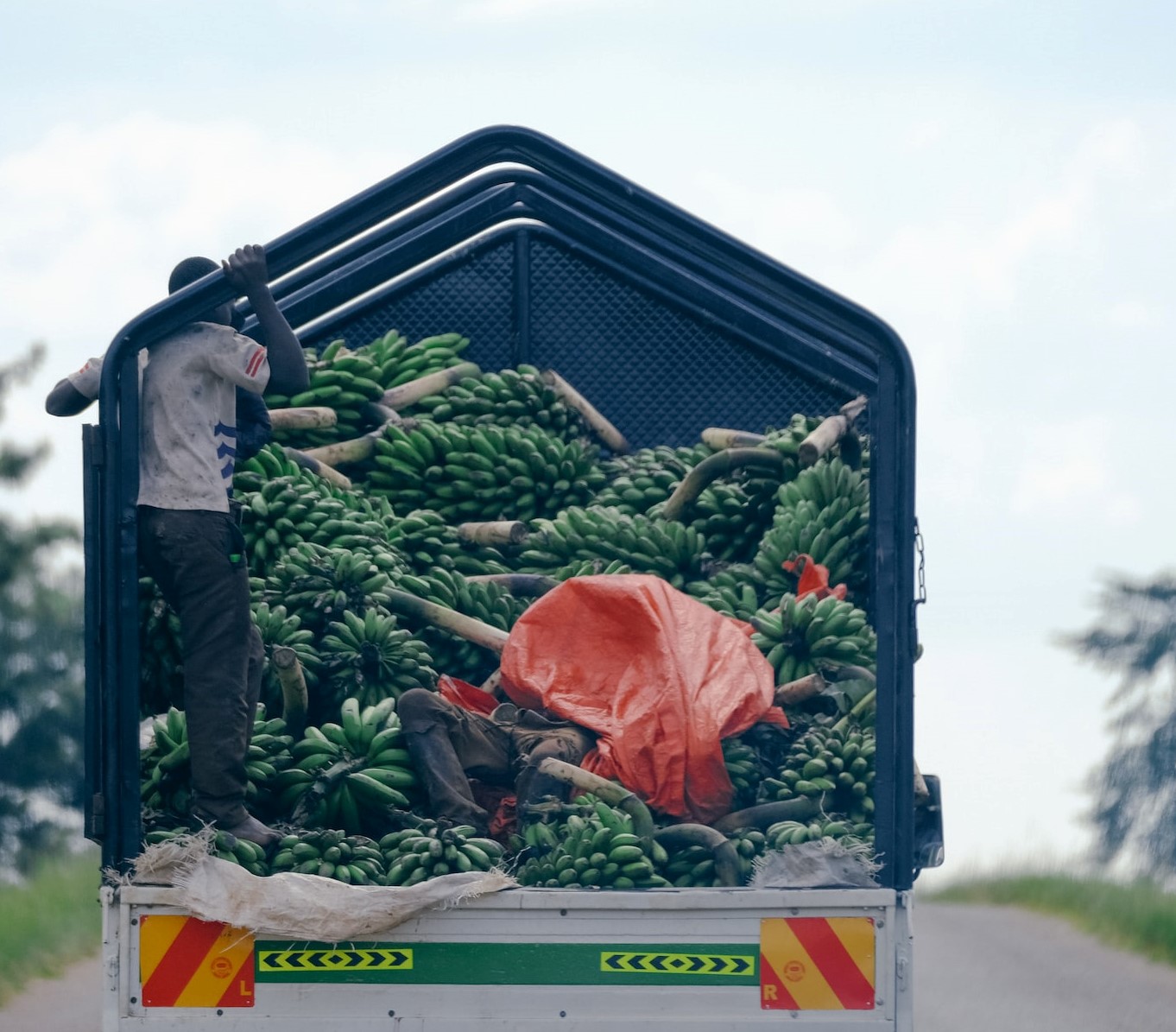
At TheoryMesh, we work with supply chains from farmers to consumers, and bring multiple concepts together to have an extensive understanding of the term “sustainability”. Nutrition, environmental concerns and economic impact are all important aspects of sustainability.
Everyone has differing needs and values, so sustainable shoppers may have different priorities. Want to buy local? Lower your carbon footprint? Support sustainable agriculture? You got it. At TheoryMesh, we support sustainability by supplying consumers with information, so you have the ability to make well-informed choices about the products you buy.
Sustainability Definitions
Every product has its own story: get to know the people behind the label, and what goes into the product you’re holding. With our QR codes, we supply information to consumers in an efficient way so shoppers can make informed choices about the nutritional, environmental and economic impact of products. We have provided some useful definitions for terms you may find on Knowmyfoods:
Food miles: The total distance a product is transported over the course of the supply chain. A helpful measurement regarding the product’s carbon footprint and how local the product really is. Learn More...
Carbon footprint: The carbon footprint of a product is a measure of the greenhouse gases emitted over the course of the supply chain. A lower carbon footprint is more environmentally friendly. Learn More...
Greenhouse gases: gases such as carbon dioxide, methane and nitrous oxides that are emitted into the atmosphere and contribute to climate change. Greenhouse gases generally remain in the atmosphere for decades to thousands of years. Learn More...
Sustainability: the responsible maintenance and use of resources that aims to satisfy the needs of today without compromising the needs of the future. Related terms include sustainable agriculture. Learn More...
Organic: food that is produced without synthetic pesticides and fertilizers, antibiotics, hormone application or genetic modification. Organic food must be certified to advertise as such. Learn More...

Sustainable agriculture: agriculture practiced with methods to conserve natural systems and decrease greenhouse gas emissions. Benefits include increased biodiversity, healthier soil, increased protection against climate change and decreased water pollution from fertilizer runoff. Learn More...
Plant protein: Protein derived from plants such as peas, soybeans, oats, and many more. An alternative to protein from animal products. Learn More...
Genetically modified organism (GMO): an organism with genetic material altered by genetic engineering. In agriculture, genetic modification is typically used on crops to make them more nutritious, prevent disease, resist insects, and have other useful traits. Learn More...
Pesticide: substances applied to plants and animals to kill pests, such as insects and weeds. Pesticides may have health risks, and cause biodiversity loss which decreases soil health. Learn More...
Traceability: The ability to trace a product back to its origin, including every step of the supply chain. Traceability can help to reduce food loss, discover and stop food fraud, recall unsafe food more quickly and provide transparency to the consumer. Learn More...
Food miles: The total distance a product is transported over the course of the supply chain. A helpful measurement regarding the product’s carbon footprint and how local the product really is. Learn More...
Carbon footprint: The carbon footprint of a product is a measure of the greenhouse gases emitted over the course of the supply chain. A lower carbon footprint is more environmentally friendly. Learn More...
Greenhouse gases: gases such as carbon dioxide, methane and nitrous oxides that are emitted into the atmosphere and contribute to climate change. Greenhouse gases generally remain in the atmosphere for decades to thousands of years. Learn More...
Sustainability: the responsible maintenance and use of resources that aims to satisfy the needs of today without compromising the needs of the future. Related terms include sustainable agriculture. Learn More...
Organic: food that is produced without synthetic pesticides and fertilizers, antibiotics, hormone application or genetic modification. Organic food must be certified to advertise as such. Learn More...
Sustainable agriculture: agriculture practiced with methods to conserve natural systems and decrease greenhouse gas emissions. Benefits include increased biodiversity, healthier soil, increased protection against climate change and decreased water pollution from fertilizer runoff. Learn More...
Plant protein: Protein derived from plants such as peas, soybeans, oats, and many more. An alternative to protein from animal products. Learn More...
Genetically modified organism (GMO): an organism with genetic material altered by genetic engineering. In agriculture, genetic modification is typically used on crops to make them more nutritious, prevent disease, resist insects, and have other useful traits. Learn More...
Pesticide: substances applied to plants and animals to kill pests, such as insects and weeds. Pesticides may have health risks, and cause biodiversity loss which decreases soil health. Learn More...
Traceability: The ability to trace a product back to its origin, including every step of the supply chain. Traceability can help to reduce food loss, discover and stop food fraud, recall unsafe food more quickly and provide transparency to the consumer. Learn More...